News
Why Jobs Take Longer: The Hidden Cost of Inefficiency
Your Equipment Isn’t Making You Money When It’s Standing Still
You don’t need more work. You need more of the work you’ve already got to go right.
It’s 4:30 pm. Your team should be finishing the last job of the day.
Instead, they’re still on site.
The job took longer than expected. The equipment wasn’t quite right for what they encountered. They’ve spent time adjusting, trying another approach and working around a problem that nobody anticipated.
Tomorrow’s schedule is already full. The job that didn’t get finished needs squeezing in. Another customer is waiting. Your operators are frustrated, your costs are climbing, and the equipment you invested in to make life easier isn’t delivering quite the return you expected.
Sound familiar?
Most businesses don’t have a shortage of work. They have a problem with how much time, resource and equipment it takes to complete that work profitably.
And sometimes, the problem isn’t your people. It’s what you’re asking them to work with.
The problem isn’t always a lack of power
When equipment struggles to keep up, it’s tempting to think the answer is more pressure, more flow, a bigger pump or a newer machine.
But more powerful doesn’t automatically mean more productive.
A high-pressure cleaning job isn’t just about pressure. Flow rate, nozzle selection, the material being removed and the conditions on site all influence the result.
A flushing application isn’t simply about pumping water through a system. The equipment needs to be capable of meeting the application’s flow, pressure and operating requirements.
And when you’re trying to diagnose a drainage problem, going straight in with a jetting unit without understanding what’s causing the issue can mean wasted time, repeat visits and an unresolved problem.
The right equipment does more than perform. It makes the job easier to complete.
Where the hours (and the money) disappear
It’s rarely one dramatic failure that ruins a productive day. It’s the accumulation of things that shouldn’t have taken so long.
- The wrong equipment for the application. A system that isn’t correctly specified can leave operators fighting to achieve the results they need.
- Guesswork on site. Without understanding the problem or conditions beforehand, time is lost working out what approach to take.
- Repeat jobs. When the underlying issue hasn’t been resolved, the cost of returning can eat into the profit of the original job.
- Unplanned downtime. A breakdown doesn’t just cost the repair. It can mean lost work, disrupted schedules and another vehicle or operator being pulled into the problem.
- Equipment that can’t keep up. As workloads or applications change, systems that were once suitable may no longer be the most efficient option.
One delay might be manageable. When it happens several times a week, across several crews or machines, it becomes a business problem.
The question isn’t simply how much your equipment costs.
It’s how much it costs you when it isn’t doing the job.
Stop working around the problem. Start solving it.
This is where better engineering makes a difference.
Getting the right solution starts with understanding the job: what needs to be achieved, what conditions the equipment will operate in, and what is preventing the work from being completed efficiently.
Sometimes that means choosing a more suitable machine. Sometimes it’s a different configuration, improved inspection, better maintenance or a system designed around the application rather than adapting a standard unit to do something it wasn’t intended for.
For example:
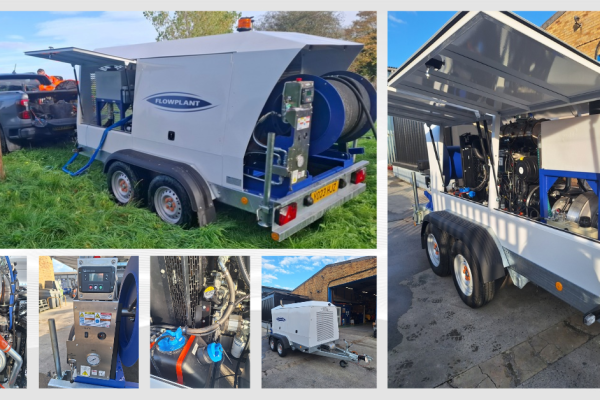
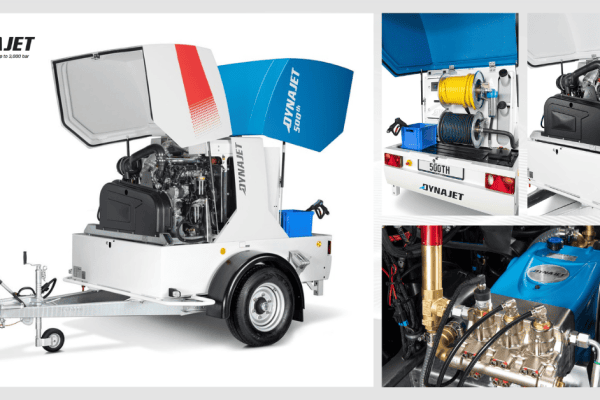
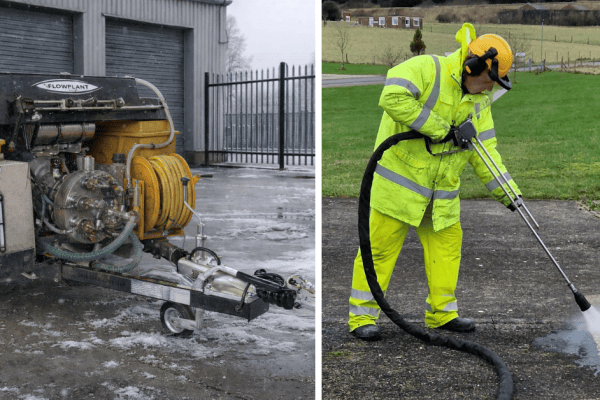
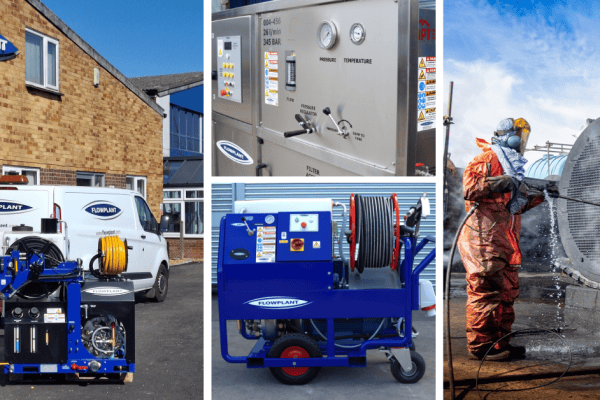
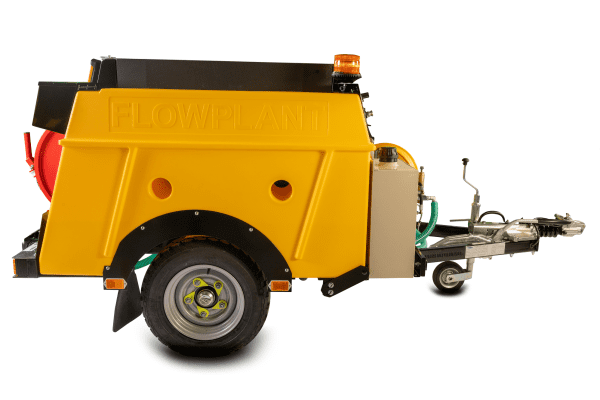
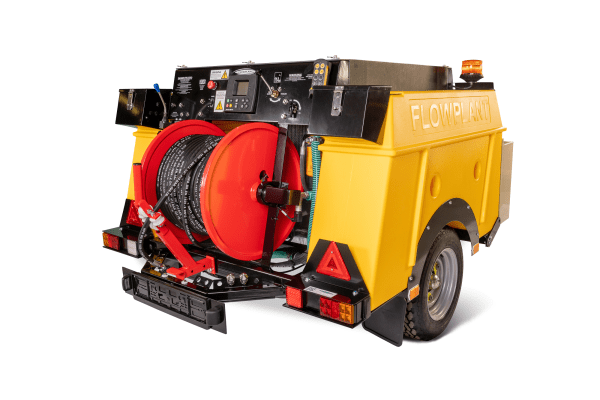
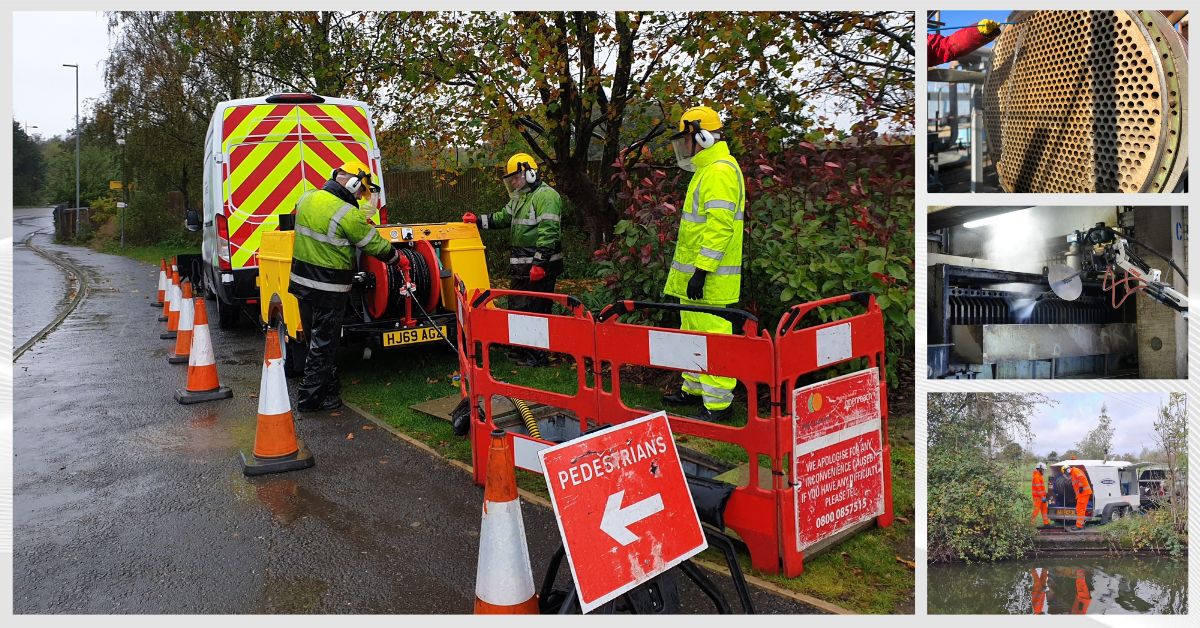
Need to clean, clear or remove stubborn material? The correct combination of pressure, flow and tooling can make a real difference to cleaning performance. Flowplant’s high-pressure jetting equipment is designed for demanding cleaning applications across drainage and industrial environments.
Need to understand what’s happening before you act?CCTV inspection equipment can help identify the condition of a pipeline, locate defects and reduce unnecessary guesswork before deciding on the next step.
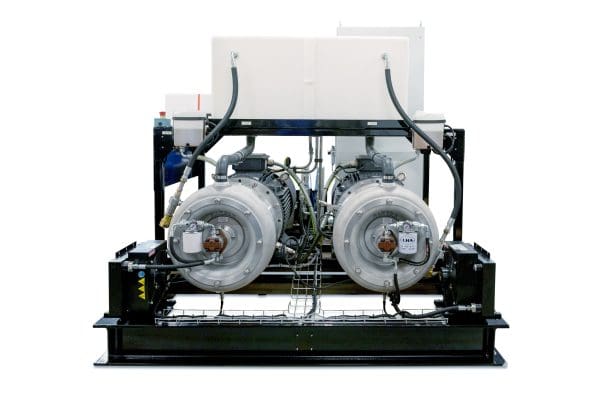
Need to test, flush or maintain critical systems? Application-specific high-pressure pumping, hydrostatic testing and flushing equipment can be configured to meet the requirements of the job, helping you get the performance you need without compromising on suitability.
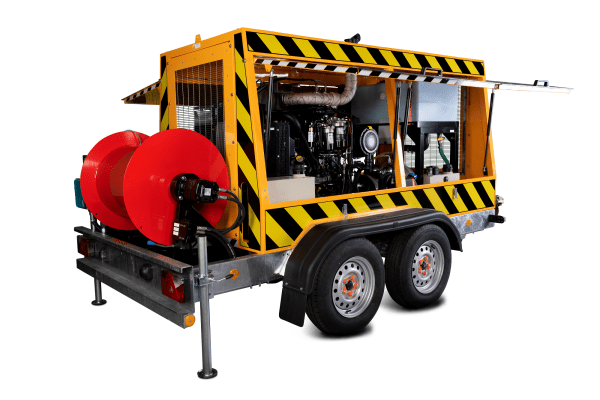
Can’t find an off-the-shelf solution that does what you need? That’s where custom-engineered systems come into their own. Rather than compromising the application around a machine, equipment can be designed around the demands of the work.
Make the equipment work harder so your people don’t have to
The answer to a busy operation isn’t always another vehicle, another operator or another late finish.
Sometimes it’s looking at the equipment you already have. Sometimes it’s identifying why jobs take longer, why breakdowns keep happening or why operators are repeatedly working around the same limitations.
And sometimes the best investment is a system designed to do the job properly from the outset.
At Flowplant, we design, manufacture and supply high-pressure equipment for demanding applications across drainage, industrial cleaning, oil and gas, and other specialist sectors. From standard equipment to bespoke engineered systems, the focus is on finding the right solution for the work you need to do.
Because equipment should help you get the job done, not become another problem to work around.
If your equipment is costing you time, holding your operation back or simply isn’t suited to the work you’re asking it to do, talk to Flowplant. Let’s find a better way to get the job done.
Frequently Asked Questions
What causes operational inefficiency in industrial maintenance?
Operational inefficiency can result from equipment downtime, poor planning, unsuitable equipment, a lack of information, repeat work and delays in accessing parts or technical support. Small interruptions can accumulate and significantly affect productivity and operating costs.
How can businesses improve equipment productivity?
Businesses can improve equipment productivity by selecting systems suited to the application, maintaining equipment proactively, improving operator training, planning jobs effectively and identifying recurring causes of downtime.
Does higher pressure always mean better cleaning performance?
No. Effective cleaning depends on the application and the relationship between pressure, flow, tooling, distance and the material being removed. The correct equipment configuration is more important than pressure alone.
Why is application-specific equipment important?
Equipment designed or configured around the requirements of an application can improve suitability, reliability, usability and maintenance. Understanding operating conditions before selecting equipment helps avoid unnecessary compromises.
How can businesses reduce repeat visits and downtime?
Better preparation, accurate assessment of the problem, suitable equipment selection, preventative maintenance and understanding the cause of recurring failures can help reduce unnecessary repeat visits and unplanned downtime.