News
Safety by Design: How Modern High-Pressure Water Jetting Equipment Protects Operators
Introduction
High pressure water jetting has long been used as a highly effective and cost-efficient method of performing industrial cleaning operations.
However, it presents significant risks if equipment is not designed and operated correctly. Modern jetting units incorporate multiple layers of engineering protection, helping operators work safely while maintaining productivity.
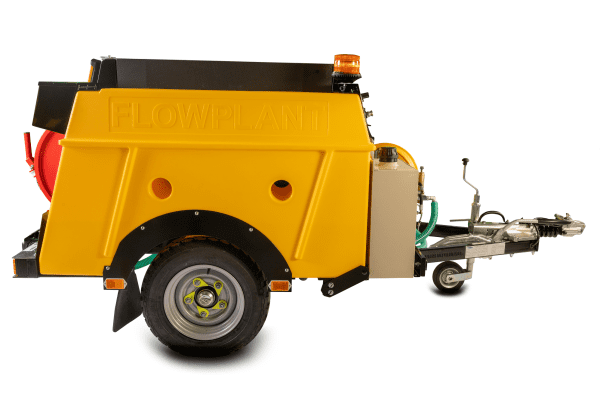
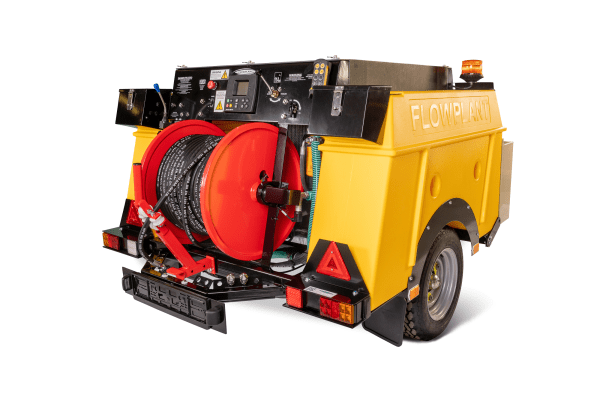
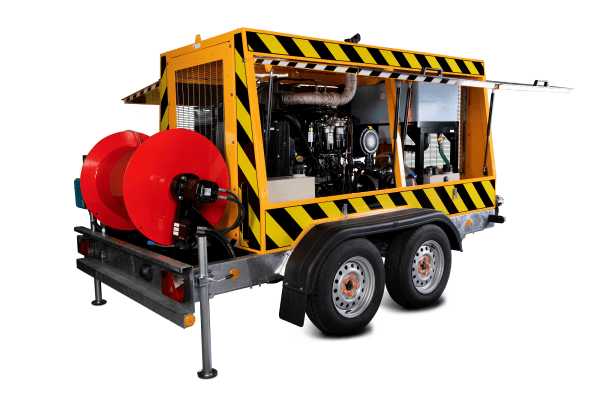
In this article, we explore the key safety systems used in today’s high-pressure water jetting equipment and how we engineer safety considerations into every Flowplant product from design through to production and beyond.
Why Safety Matters in High-Pressure Water Jetting
Water jets operating at thousands of PSI can cut through organic matter, wood and even steel. To create these pressures, machines run under extreme conditions meaning that same force can result in serious injury if equipment fails or is operated incorrectly.
Industry bodies such as the WJA, WJTA and OSHA therefore require multiple safeguards to minimise risks including:
- Fluid injection injuries
- Hose whip incidents
- Uncontrolled pressure release
- Equipment damage
- Operator loss of control
The safest equipment doesn’t rely on a single safety device. Instead, it uses multiple integrated layers of protection, that operates simultaneously.
The Five Critical Safety Features Every Jetting Unit Should Have
1. Deadman Control Systems
The deadman control is an important safety device fitted to modern jetting equipment.
By requiring constant pressure from the operator, the system immediately diverts water flow and reduces pressure if the trigger or foot pedal is released.
This means:
- Instant reaction if an operator slips
- Reduced risk of accidental spraying
- Improved compliance with recognised safety standards
Flowplant Insight: Flowplant jetting systems are engineered to provide operators with immediate control over water flow, helping ensure safe operation during demanding cleaning tasks.
2.Emergency Remote Shut-Off Technology
Many modern jetting operations involve multiple operators.
Wireless remote emergency stop systems allow a second operator or supervisor to instantly stop the jetting process if a hazardous situation develops.
Benefits include:
- Faster emergency response
- Greater visibility of operations
- Reduced risk during confined-space and complex cleaning projects
3.Hose Retention and Anti-Withdrawal Devices
High-pressure hoses will become dangerous if allowed to exit a pipe whilst still under pressure.
Anti-withdrawal devices are designed to physically prevent:
- Hose ejection
- Nozzle kickback
- Unexpected operator exposure to the water jet
These simple mechanical safeguards play a significant role in preventing serious incidents.
4.Pressure Relief Protection
No pressure system should ever operate without over-pressure safeguards.
Pressure relief valves and rupture discs are designed to release pressure safely if operating limits are exceeded, protecting:
- Pumps
- Hoses
- Pipework
- Operators
These systems form a critical part of safe equipment design and help prevent catastrophic component failures.
5.Hose Whip Protection
A failed coupling can transform a hose into a dangerous projectile.
Whip checks and safety restraints help contain the hose should a connection fail.
This reduces:
- Equipment damage
- Injury risks
- Operational downtime
For jetting contractors and fleet managers, hose protection should never be viewed as optional.
Beyond Compliance: How Engineering Can Further Improve Safety
Modern safety engineering extends beyond basic compliance requirements.
Additional features increasingly found on advanced jetting systems include:
Safety Interlocks
Prevent equipment operation if:
- Guards are removed
- Access panels are open
- Protective covers are not fitted correctly
Weatherproof Electrical Systems
Jetting equipment operates in harsh environments where water exposure is unavoidable.
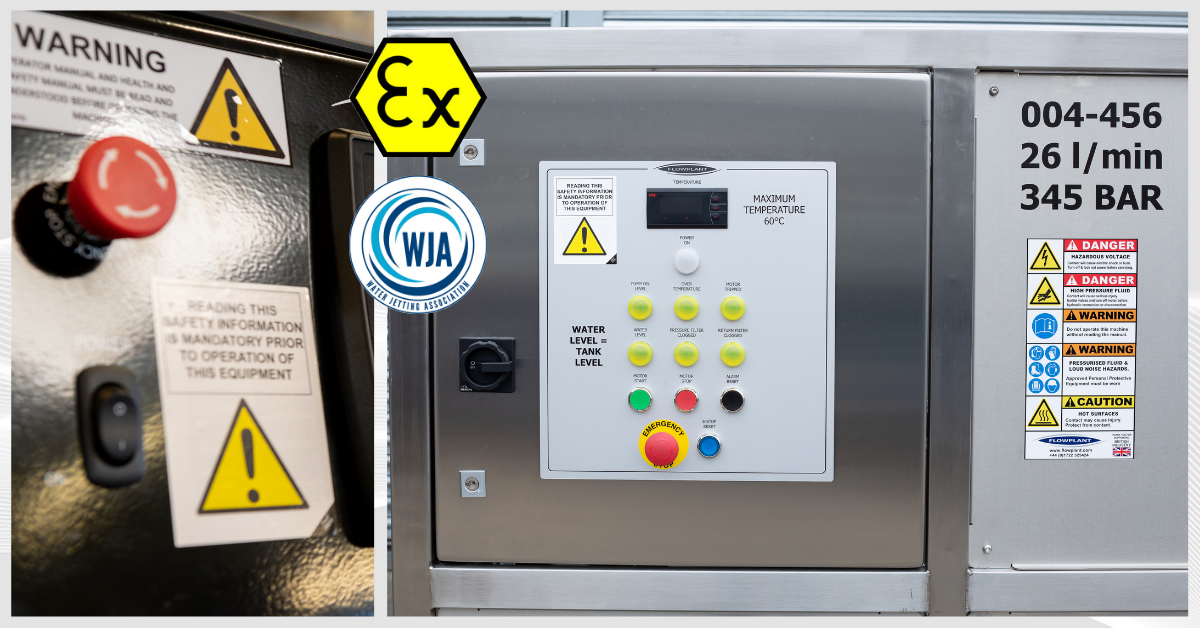
IP-rated and weatherproof electrical control systems provide reliable operation while reducing electrical hazards.
Ergonomic Equipment Design
Operator fatigue can contribute to mistakes.
Well-designed controls, balanced hose reels and intuitive layouts help reduce strain and support safer working practices throughout the day.
How Flowplant Integrates Safety Into Equipment Design
At Flowplant, safety is considered throughout the engineering process rather than being added as an afterthought.
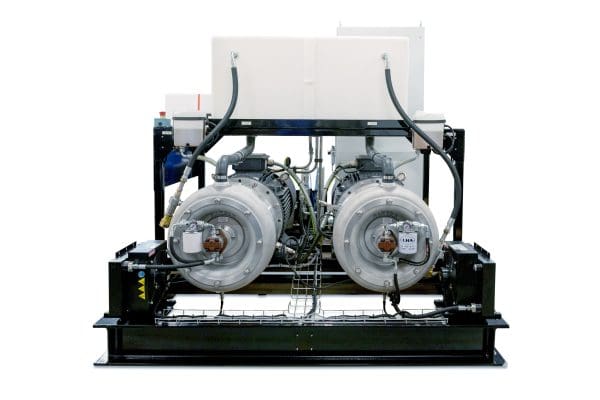
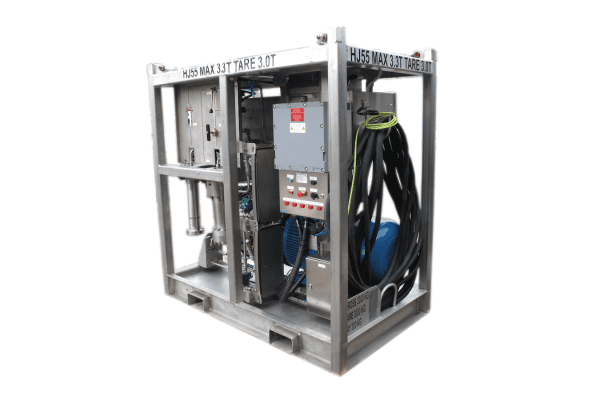
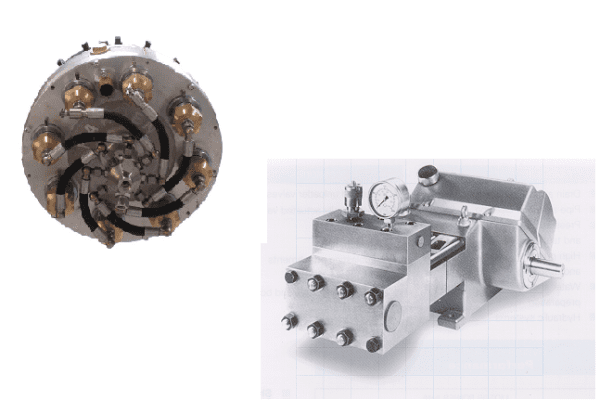
From pump technology developed around the renowned Harben pump range through to jetting system control architecture, our approach focuses on:
- Reliable operator control
- Robust pressure management
- Safe hose handling
- Durable component selection
- Compliance with industry best practices
The result is equipment designed so operators can work confidently in demanding drain cleaning, sewer maintenance and industrial jetting applications.
Conclusion
In high-pressure water jetting, safety begins with design.
Features such as deadman controls, emergency shut-offs, hose restraints, anti-withdrawal systems and pressure relief devices all play an essential role in protecting operators and equipment.
When evaluating jetting equipment, contractors should look beyond pressure and flow ratings and consider how effectively the machine has been engineered to manage risk. The safest machines are those that combine performance with multiple layers of protection, helping operators maintain productivity while working safely every day.
Need advice on jetting equipment, operator training or service support? Contact the Flowplant team today.