
News
Can High-Pressure Jetting Damage Drains?
The Truth About Cleaning Older Pipework
High pressure jetting is a highly effective and environmentally friendly way to removed stubborn drain blockages.
But…“Can high-pressure jetting damage older drains and pipework?”
The answer is not straightforward. While poorly executed jetting can create problems, professionally operated water jetting systems are safe for structurally sound drains.
We explore the reality of high pressure jetting on older infrastructure.
Why Is Pipe Damage Such a Common Concern?
Many drainage systems throughout the UK contain ageing infrastructure, with older properties relying on clay pipes, cast iron pipework, concrete drainage systems and pitch fibre pipes.
Over time, these materials suffer from:
- Corrosion
- Ground movement
- Joint displacement
- Root ingress
- Structural deterioration
Many property owners worry the cleaning process from high pressure jetting will crack or collapse ageing drains. But properly specified jetting equipment operating at appropriate pressures does not damage sound pipework.
Jetting actually reveals defects that were already hidden beneath years of accumulated debris.
The Biggest Myth About High-Pressure Drain Cleaning
Does “High-pressure jetting breaks drains”?
The reality is when pipework fails during jetting, there is usually an underlying issue such as:
- Existing cracks
- Severe corrosion
- Partial collapse
- Root damage
- Joint failures
- Pipe deformation
In many cases, years of grease, scale and debris conceal structural problems. Once it’s removed, the true condition of the drain is visible. Rather than causing a defect, the cleaning process simply exposes it.
Why CCTV Inspections Are Essential for Older Pipework
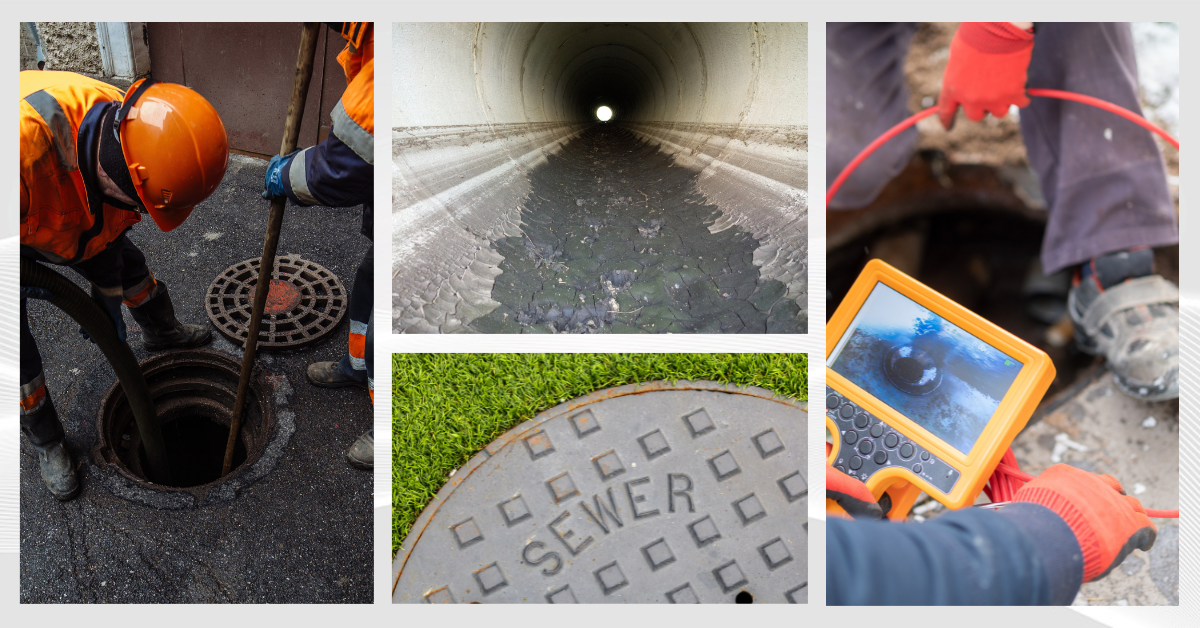
CCTV surveys are an important step before undertaking any high-pressure jetting on older drains.
Camera inspection can help you to spot:
- Pipe construction materials
- Cracks and fractures
- Root ingress
- Corrosion
- Joint displacement
- Existing collapses
- Blockage locations
This helps the operator to decide on whether to jet, what pressure to use, which nozzle to use and identify any structural maintenance required before jetting begins.
Which Types of Pipes Need Extra Care?
- Clay Pipes
Clay drains can last for decades, but ageing systems may become vulnerable to cracking and root intrusion. Particular attention should be paid to joint integrity before jetting begins.
- Cast Iron Pipes
While cast iron is extremely durable, internal corrosion and scale build-up can reduce wall thickness over time.
- Pitch Fibre Pipes
Widely used between the 1950s and 1970s, pitch fibre is known to deform as it ages and may require specialist assessment before cleaning.
- Previously Damaged Pipework
Any drainage system with a history of repairs, root ingress or structural defects should be thoroughly inspected before high-pressure cleaning is undertaken.
Why High-Pressure Jetting Remains the Preferred Cleaning Method
Despite concerns about older drains, high-pressure jetting remains one of the most effective maintenance techniques available.
Unlike mechanical cleaning methods, jetting removes deposits from the entire pipe wall rather than simply creating a pathway through a blockage.
Properly maintained drainage systems experience fewer recurring issues, reduced downtime and improved flow performance.
The Flowplant Approach to Safe and Effective Jetting
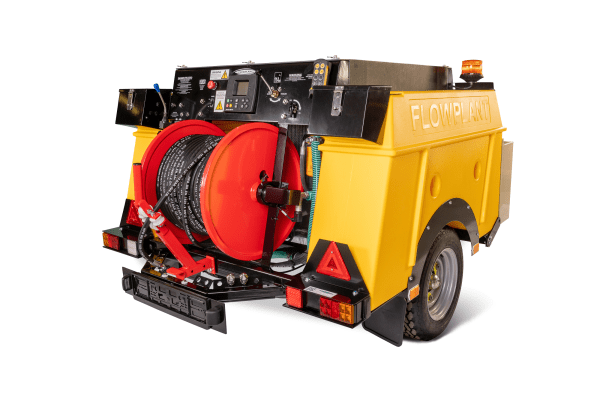
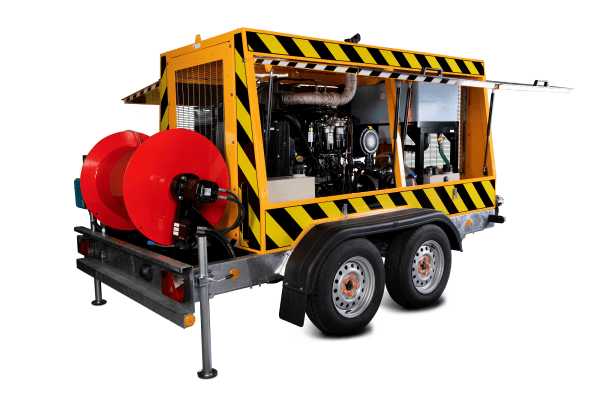
For more than 50 years, Flowplant has been supporting drainage contractors, water utilities, local authorities, facilities management providers and industrial cleaning specialists with high-performance water jetting solutions.
Successful drain cleaning is not achieved by simply increasing pressure.
It requires the correct balance of:
- Pressure
- Flow rate
- Nozzle selection
- Equipment specification
- Operator competency
- Ongoing maintenance
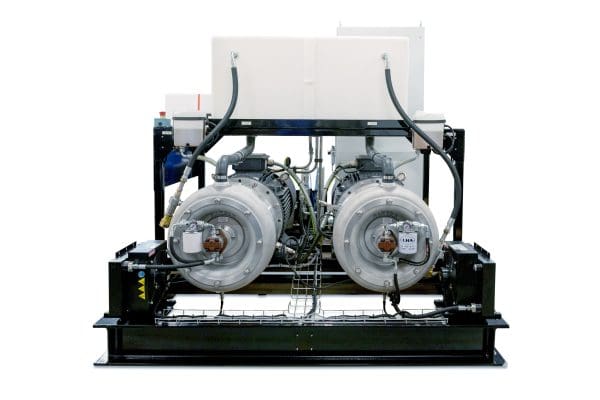
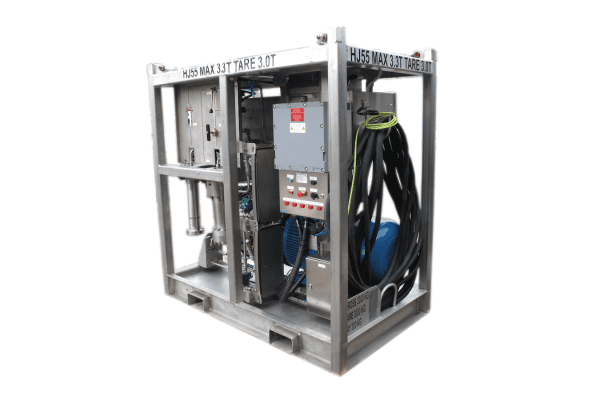
Flowplant’s range of jetting equipment is engineered to help operators deliver effective cleaning while maintaining high standards of operational safety and reliability.
Learn more:
🔗 Water Jetting Training (WJA Approved):
So Can High-Pressure Jetting Damage Drains?
The evidence suggests that high-pressure jetting is generally safe for structurally sound drainage systems when undertaken by trained operators using properly specified equipment.
However, no cleaning method can reverse decades of pipe deterioration. If a drain is already weakened by corrosion, root damage, fractures or collapse, jetting may expose defects that require repair.
This is why the industry best practice remains:
Inspect first. Jet second.
Need Advice on Water Jetting Equipment or Applications?
Whether you’re dealing with ageing drainage infrastructure, reviewing equipment performance, planning preventative maintenance or selecting a new jetting unit, Flowplant’s experts are here to help.
📞 Contact Flowplant 01722 325424