
News
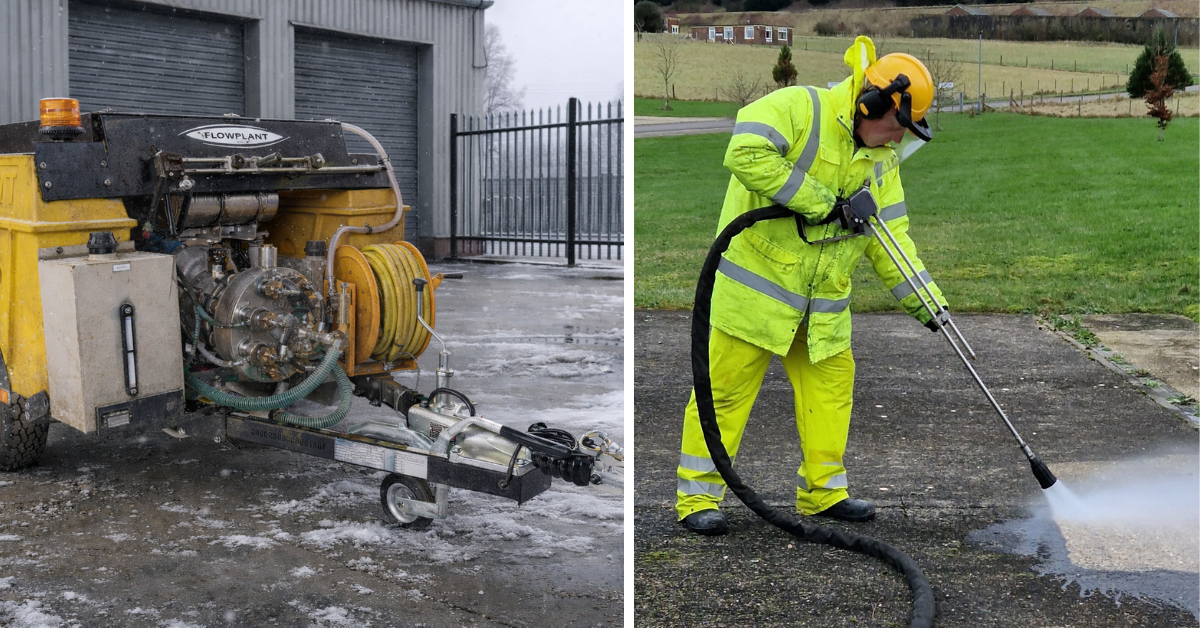
5 Winter Maintenance Tips Every Drain Jetter Operator Should Know
As winter is fast approaching and temperatures drop, the challenges of operating high-pressure equipment increase significantly. Cold weather doesn’t just mean it’s more uncomfortable on site, it can heavily impact equipment performance, hose flexibility, pump efficiency and component lifespan.
While most operators understand the importance of antifreeze protection, there are several lesser-known winter maintenance practices that prevent costly repairs, reduce downtime and extend the life of your drain jetting equipment.
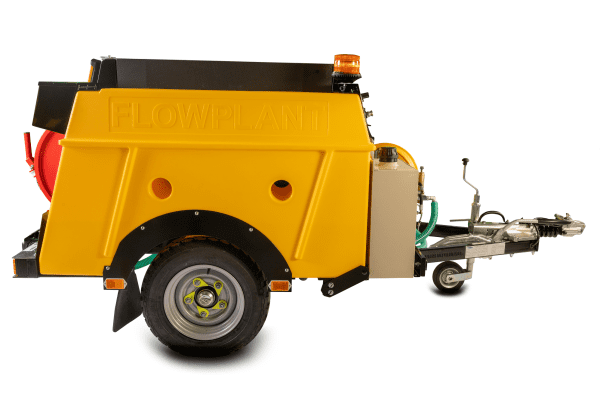
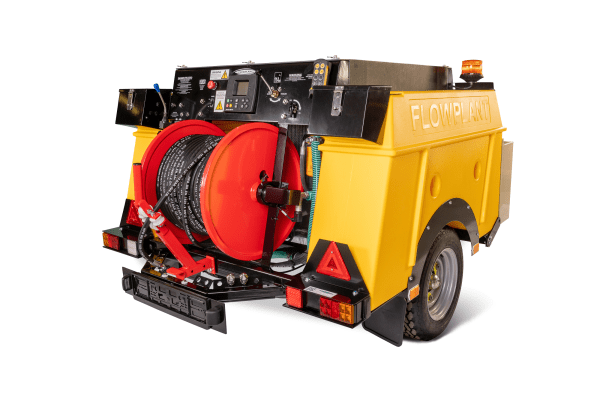
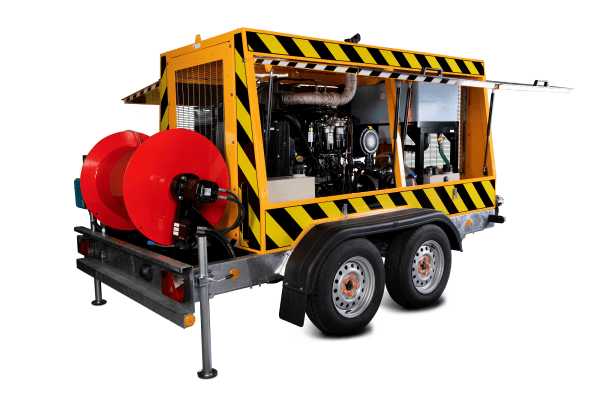
Whether you operate a van pack, trailer jetter or specialist high-pressure water jetting system, these practical tips will help keep your equipment performing reliably throughout the winter months.
Follow the “No-Load” Rule When Starting Your Jetter
Why it matters
On a cold winter morning, the oil inside your pump crankcase becomes significantly thicker than normal. Starting a jetter and immediately ramping up to full operating pressure can place unnecessary stress on bearings, plungers and diaphragms before the lubrication system is working at optimum efficiency.
This is especially important for operators running high-performance drain cleaning equipment where components are regularly subjected to pressures of 3,000 PSI and above.
What to do
Instead of applying full pressure immediately:
✅ Start the engine
✅ Keep the bypass open
✅ Allow the pump to circulate oil at low pressure
✅ Run for approximately 10 minutes before beginning work
This simple warm-up procedure allows oil viscosity to stabilise and ensures critical components receive proper lubrication before entering demanding operating conditions.
The benefit
A short warm-up period can help reduce component wear, improve reliability and minimise the risk of expensive pump repairs.
Protect Your Most Valuable Accessories with Air Purging
Why it matters
Many operators focus on protecting the main jetting system but forget about accessories.
A small amount of trapped water inside a nozzle, dump gun, foot valve or lance can freeze overnight. As water expands, it can crack housings, damage seals and render expensive equipment unusable before the next shift even begins.
What to do
At the end of each working day:
✅ Use compressed air to purge nozzles and accessories
✅ Blow through dump guns and lances
✅ Remove standing water from jetting attachments
✅ Store critical accessories in a heated environment whenever possible
If compressed air isn’t available, keeping high-value accessories inside a warm vehicle cab or office can help prevent freeze damage.
The benefit
A few minutes of preventative maintenance could save hundreds of pounds in replacement costs and prevent unexpected downtime when you need equipment most.
Handle High-Pressure Hoses Carefully in Freezing Conditions
Why it matters
Cold weather changes the characteristics of high-pressure hoses.
When temperatures drop, hose jackets become stiffer and less flexible. Pulling aggressively on a frozen hose can damage the internal reinforcement layers, create weak points and increase the likelihood of premature failure later.
The damage may not be visible immediately but can significantly reduce the service life of the hose.
What to do
Before work begins:
✅ Slowly unspool the hose from the reel
✅ Avoid sharp bends or kinks
✅ Never yank frozen hose lengths into position
✅ Run low-pressure water through the hose before heavy use
Allowing water to pass through the line for several minutes helps warm the hose and restore flexibility.
The benefit
Better hose handling reduces wear, improves safety and helps maximise the lifespan of one of the most important consumable components on your jetting system.
Increase Water Filter Checks During Winter
Why it matters
One of the most overlooked causes of pump damage during winter is restricted water flow.
Cold water supplies, hydrants and IBC tanks can contain ice crystals or slush that gradually accumulate on suction strainers and inlet filters. This restriction may not completely block the system, but it can starve the pump of water and create damaging cavitation.
Often referred to as “ghost cavitation”, the symptoms can be subtle until serious damage has already occurred.
Warning signs
Watch for:
- Unexpected pressure fluctuations
- Reduced water flow
- Changes in pump sound
- A knocking or rattling noise from the pump
What to do
During winter months:
✅ Check suction filters before starting work
✅ Inspect strainers again at midday
✅ Clean filters immediately if slush or debris is present
✅ Monitor water supply quality throughout the day
The benefit
Routine filter inspections can help prevent costly pump repairs and maintain consistent jetting performance.
Never Force Frozen Controls or Valves
Why it matters
Pressure regulators, selector valves and throttle linkages are particularly vulnerable to freezing conditions.
Morning frost, overnight condensation and overspray can leave external controls partially frozen. Applying excessive force to a frozen lever or regulator can bend linkages, damage threads or snap components.
What to do
If a control feels stiff:
✅ Stop immediately
✅ Apply de-icer spray
✅ Use a portable heat gun if available
✅ Allow moving parts to thaw completely
✅ Test movement gently before operation
The key rule is simple: if it won’t move freely, never force it.
The benefit
Protecting mechanical controls prevents unnecessary breakdowns and helps maintain safe operation throughout the winter season.
Keep Your Jetter Working Through Winter
Winter conditions place additional stress on every part of a jetting system, from pumps and hoses to valves and accessories. However, a few simple preventative measures can dramatically reduce the risk of breakdowns, improve reliability and extend equipment life.
By following these five practical winter maintenance tips, operators can spend less time dealing with repairs and more time completing jobs safely and efficiently.
Need Advice on Winter Maintenance?
Flowplant’s team has more than 50 years of experience designing and supporting high-pressure drainage equipment across the UK. Whether you operate a compact van pack, trailer jetter or specialist Harben-powered system, our engineers can help you maximise performance in all weather conditions.
Speak to our service team today for expert advice, maintenance support and genuine parts.